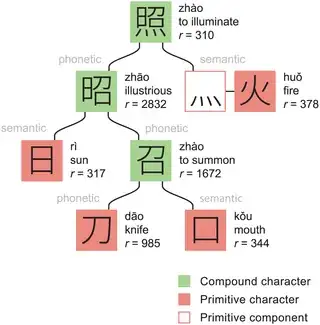
-4

Why Phonetic, not Phonological, Components? What is wrong about calling Phonetic Components Phonological Components instead?

I perused all these posts, but they don't answer my question.

What's the difference between phonetics and phonology?,
What are the differences between phonology, phonetics, and prosody?
Differences between phonemic and phonetic transcriptions,
An analogy to understand phonetics and phonology,
Looking for a graphic illustration of the phonetic and phonology interface,
Why are phonemic transcriptions necessary, when phonetic transcriptions are more detailed (and more helpful for language learners)?

These 2 charts below use "Phonetic Component".
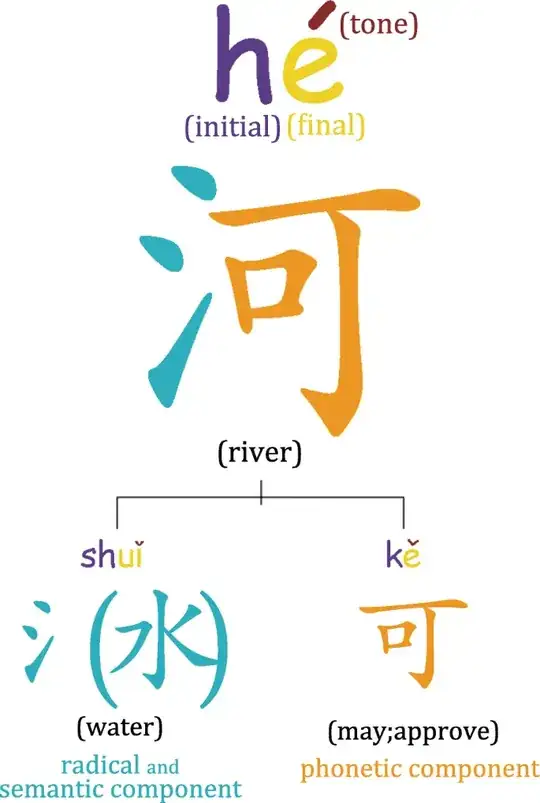
Above. Bottom.

Ethen
  • 1
  • 1
    Why should they be called ‘phonological’? That refers specifically to phonemes, which phonetic components don’t. ‘Phonetic’ can mean ‘relating to phonetics’, but it can also just mean ‘relating to speech sounds’ in a broader sense, and since what phonetic components do is give a vague clue about the pronunciation of compound characters, that is a far more appropriate name for them than anything relating to phonemes specifically. – Janus Bahs Jacquet Jul 25 '23 at 20:38
  • Alternative terms for these components are semantophore and phonophore. – Arfrever Jul 25 '23 at 23:49

2 Answers2

3

Outside the specific discipline of phonology, "phonetic" is the standard term for "pertaining to sounds" (as opposed to, say, meaning), going back to Ancient Greek φωνητικός.

The contrast being drawn here is between the components that relate to sound and the components that relate to meaning, so "phonetic" is a natural choice of terminology. If we wanted to draw a distinction between (say) a component that relates to a phoneme and a component that relates to an allophone, then we might want to use "phonological" instead.

Tl;dr "phonetic" generally means "pertaining to (speech) sounds" and that's what these components are.

Draconis
  • 65,972
  • 3
  • 141
  • 215
1

In the name for those characters (形聲), 聲 means something like "voice". Phonetics is about the physical realization of speech, whereas phonology is about the cognitive analysis of the things that cause speech (more on the speech side rather that the thought i.e. "semantic" side). It refers not to the abstract analysis of modern Chinese in its various forms, it refers to how things were pronounced in older Chinese.

user6726
  • 83,066
  • 4
  • 63
  • 181
  • … and it doesn’t even really do that properly. It refers to an approximation of how things were pronounced in older layers of Chinese, but phonetic components often don’t match the base character’s pronunciation fully even in reconstructions of Old or Middle Chinese. – Janus Bahs Jacquet Jul 26 '23 at 03:13